
The Communal Garden Initiative
Advancing Food Security and Women’s Leadership in Haiti
Food insecurity in Haiti continues to deepen due to economic instability, climate pressures, disrupted supply chains, and limited access to locally grown, nutritious food. In border communities like Ouanaminthe, families face rising food costs, soil degradation, and limited economic opportunities.
The Womenful Voice Communal Garden Initiative responds with a sustainable, community-centered solution that strengthens food security, improves nutrition, and builds long-term resilience.
This initiative serves as a living model of climate-smart agriculture, women’s empowerment, and community self-sufficiency.
A Community-Based Food Security Model in Ouanaminthe
The Communal Garden is established in partnership with Centre Éducatif Congréganiste National Saint Ignace de Loyola, where the garden functions as both a productive food space and an educational hub.
Designed as a replicable backyard gardening model, the initiative demonstrates how families can transform small plots of land into sustainable sources of fresh produce and income.
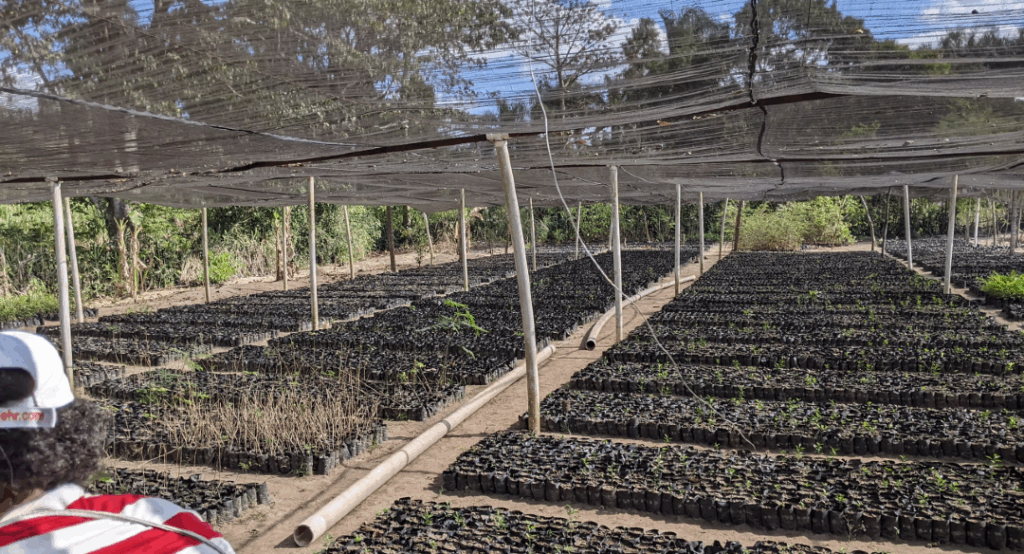
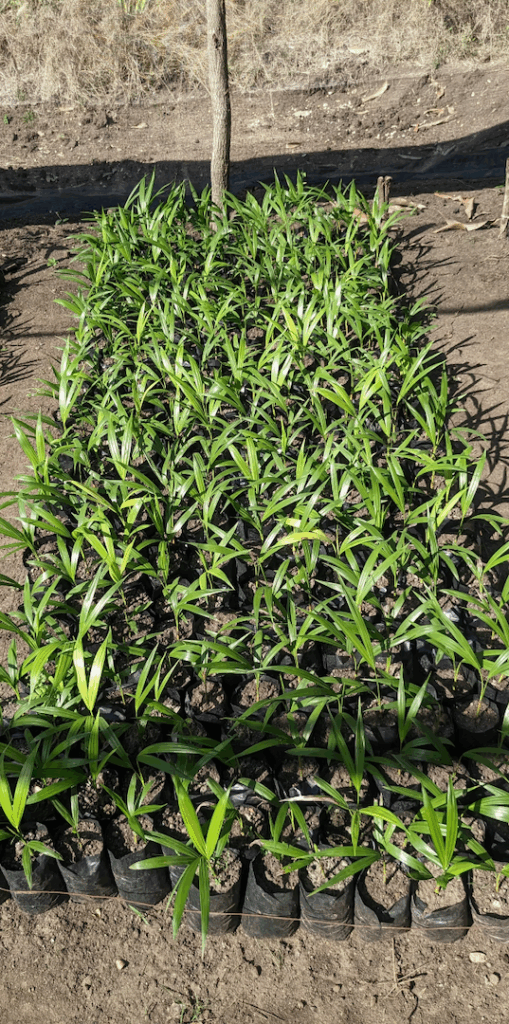
The garden produces a diverse range of nutrient-rich crops, including:
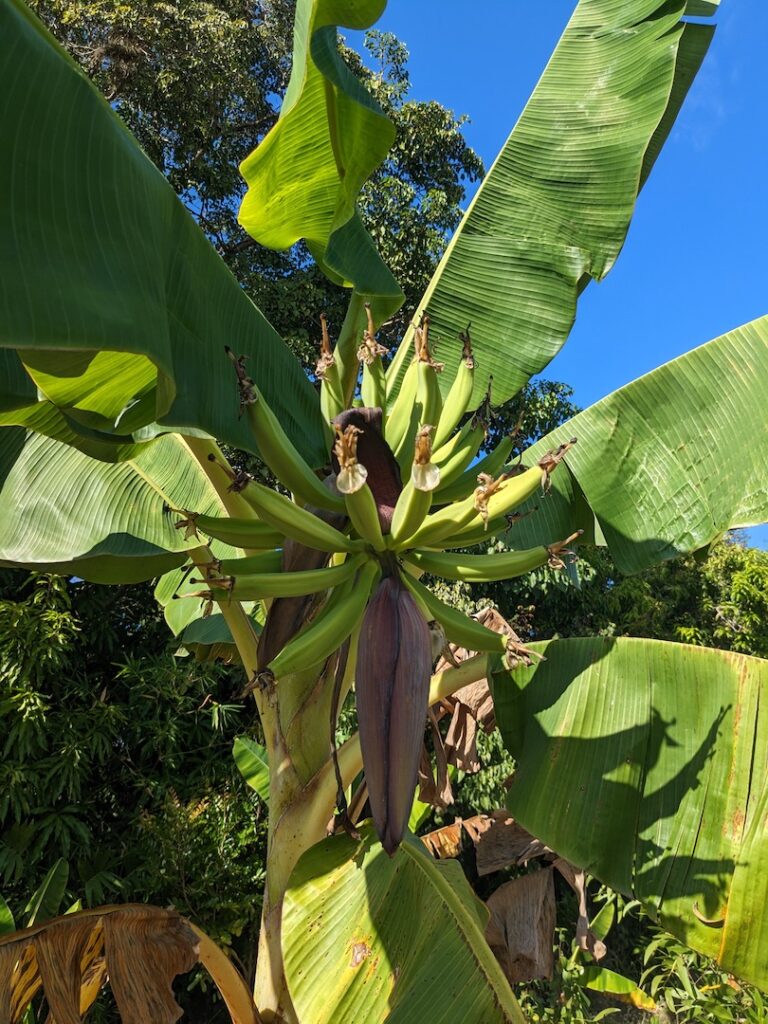
- Fruit trees
- Leafy greens
- Vegetables
- Legumes
- Herbs culturally relevant to Haitian cuisine
Surplus produce is made available at affordable prices within the community, strengthening local food systems while supporting household income.
Education, Training, and Replication
The Communal Garden is more than a food production site. It is a community learning hub.
– Senska O’Donnell (CEO)
Through workshops and hands-on training, participants learn:
- Sustainable gardening techniques
- Water conservation strategies
- Soil health management
- Backyard garden design
- Small-scale income generation
The goal is replication. Families are equipped with the knowledge and skills needed to establish gardens at home, strengthening household resilience and reducing reliance on imported food.
This model supports long-term food sovereignty in Ouanaminthe and surrounding communities.
Women-Led Food Systems Transformation
Women are central to the success of this initiative. Womenful Voice prioritizes women’s participation in:
- Garden leadership and coordination
- Agricultural training
- Community outreach
- Economic activities linked to surplus produce
By strengthening women’s leadership in agriculture, the initiative promotes gender equity while building stronger local food systems.
This work directly supports:
- SDG 2: Zero Hunger
- SDG 5: Gender Equality
- SDG 13: Climate Action
- SDG 15: Life on Land
Measurable Impact and Accountability
The Communal Garden Initiative operates with structured monitoring and evaluation to ensure transparency and measurable progress.
Impact indicators include:
- Community participation rates
- Quantity and diversity of produce grown
- Household replication of garden models
- Income generated from surplus crops
- Soil health improvements
- Community satisfaction and engagement
Regular progress assessments ensure that the project remains effective, accountable, and responsive to local needs.
Building Long-Term Community Resilience
By combining nutrition, regenerative agriculture, water conservation, and women’s leadership, the Communal Garden Initiative strengthens resilience at multiple levels:
- Household food security
- Local economic opportunity
- Climate adaptation capacity
- Soil and ecosystem restoration
- Community collaboration and ownership
As the initiative continues to expand, Womenful Voice is focused on strengthening community management structures and supporting long-term sustainability beyond the initial implementation phase.
Be Part of the Solution
Every garden planted represents:
- Healthier families
- Stronger women leaders
- More resilient communities
- A step toward food sovereignty in Haiti
Your support helps expand training programs, provide tools and seedlings, strengthen water systems, and enable more families to replicate this sustainable model.
Together, we are cultivating hope, resilience, and lasting impact in Haiti.