
Reforestation in Haiti: Reviving the Massacre River
An Environmental Restoration Initiative in Ouanaminthe
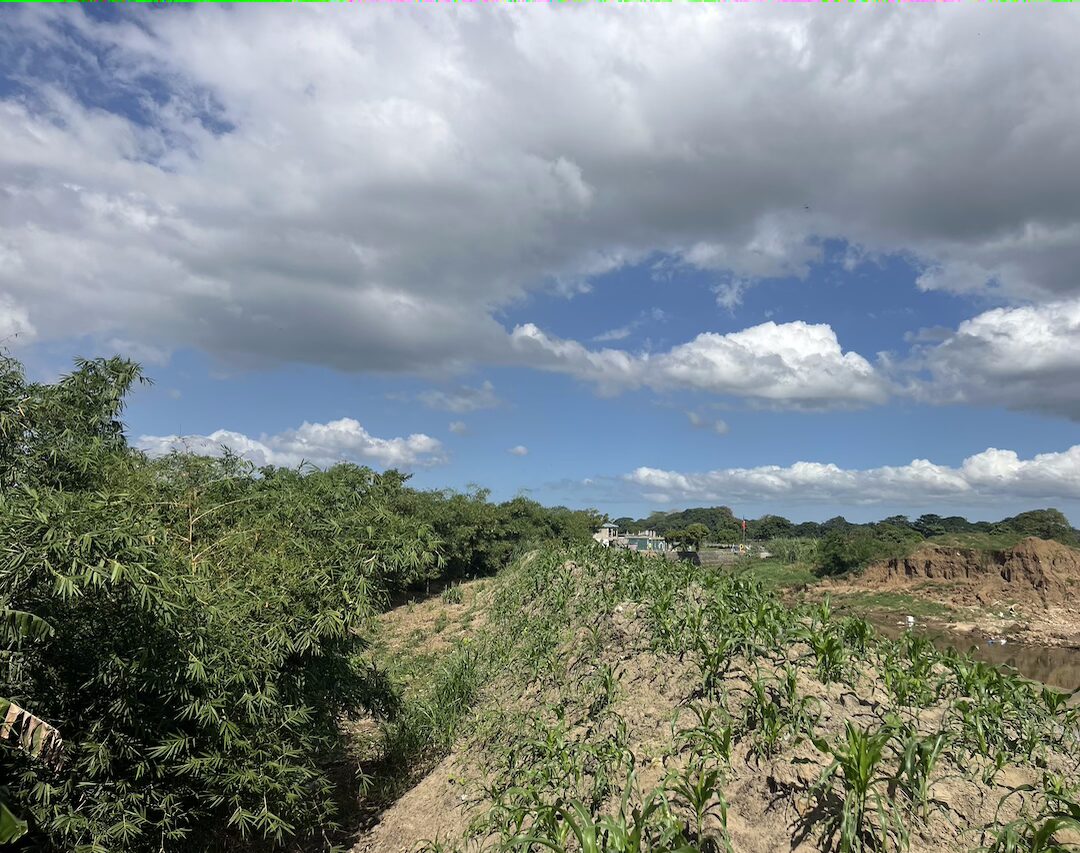
Along the banks of the Massacre River in Ouanaminthe, Haiti, environmental degradation has threatened water flow, soil stability, biodiversity, and community well-being. Deforestation, erosion, and waste accumulation have weakened this vital ecosystem, increasing vulnerability to climate change and environmental instability.
The Womenful Voice Reforestation Program was created to restore this landscape and strengthen long-term climate resilience through community-led environmental action. This initiative goes beyond tree planting. It focuses on regenerating land, protecting water sources, and empowering communities through sustainable environmental leadership.
Why the Massacre River Matters
The Massacre River and its surrounding canal and waterfall areas are essential to environmental balance in the region. Healthy riverbanks help to:
- Prevent soil erosion
- Protect water quality and maintain water flow
- Support biodiversity
- Reduce flood risks
- Sustain nearby communities
When these ecosystems degrade, the social and economic stability of surrounding communities is affected. Restoration is therefore both an environmental and community resilience strategy.
What We Have Achieved
Building on initial environmental funding, Womenful Voice launched a large-scale reforestation effort along the historic canal and riverbank in Ouanaminthe.
Through coordinated planting phases and strong community mobilization, the initiative has:
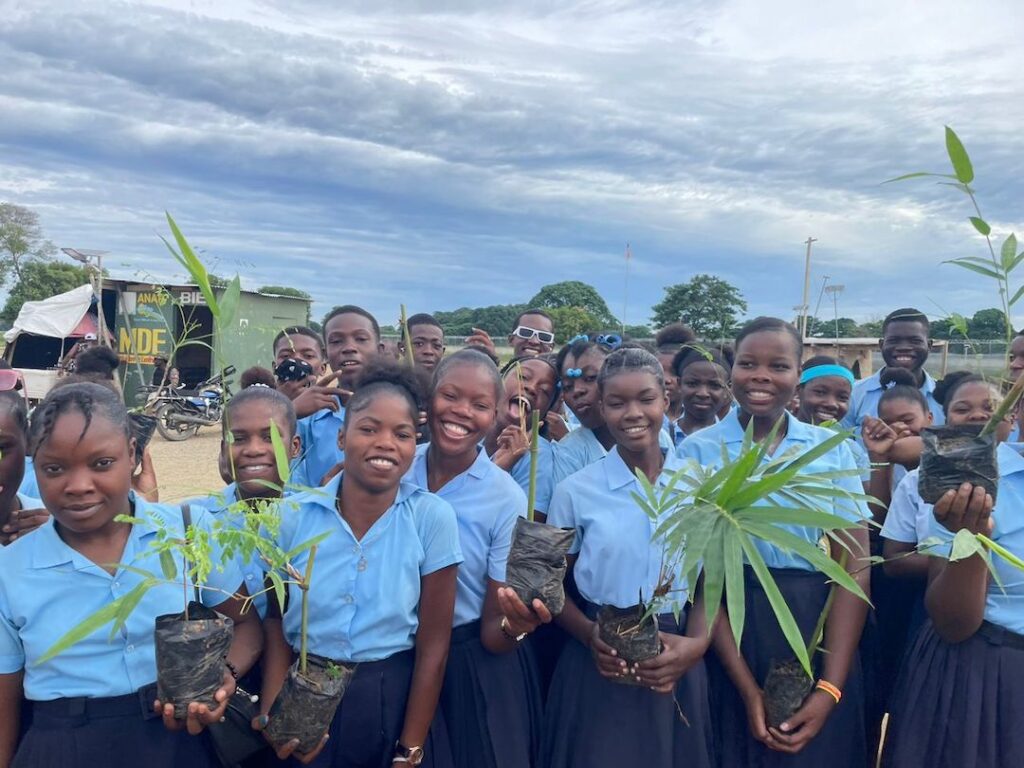
- Planted over 10,000 trees across targeted riverbank zones
- Engaged more than 2,000 community members
- Mobilized 25 local schools and community associations
- Combined reforestation with large-scale waste removal efforts
- Established structured monitoring to improve tree survival rates
Each planting phase was designed to strengthen civic participation and environmental ownership, transforming restoration into a collective responsibility.
The result is stabilized soil, renewed vegetation, and a growing culture of environmental stewardship.
Our Current Focus: Strategic Riverbank and Waterfall Restoration
Cultivating Hope and Nourishing Communities
As food insecurity deepens across Haiti, Womenful Voice supports communities in reclaiming control over their food systems. The program now concentrates on high-impact zones along the riverbank and waterfall areas of the Massacre River.
This targeted phase includes:
- Planting additional trees in critical erosion areas
- Reinforcing soil stability and protecting water flow
- Prioritizing native and climate-resilient species
- Implementing structured monitoring and maintenance schedules
The objective is not simply to plant trees, but to ensure long-term survival and ecological regeneration.
Elizabeth Nderitu, Co-founder/CDO
The initiative strengthens environmental security for the entire community by stabilizing the river source and surrounding banks.
Community-Led Restoration and Lasting Climate Impact
Sustainable environmental restoration depends on local leadership and long-term accountability.
The Womenful Voice Reforestation Program is rooted in community participation. We actively engage local schools, youth leaders, farmers, and community associations in both planting and long-term ecosystem care.
Students take part in ongoing tree planting and monitoring activities, building environmental awareness and practical stewardship skills from an early age.
To ensure meaningful and measurable impact, the program operates with clear performance commitments. These include maintaining high tree survival rates through structured monitoring, restoring designated planting zones fully, reducing waste accumulation along the riverbank, and conducting regular progress evaluations to strengthen outcomes.
This integrated approach ensures that reforestation efforts translate into durable ecological recovery.
By restoring degraded ecosystems along the Massacre River, the program contributes directly to flood and erosion prevention, biodiversity recovery, water source protection, climate change adaptation, and long-term community stability.
The result is not only a greener riverbank, but a stronger and more resilient future for Ouanaminthe.